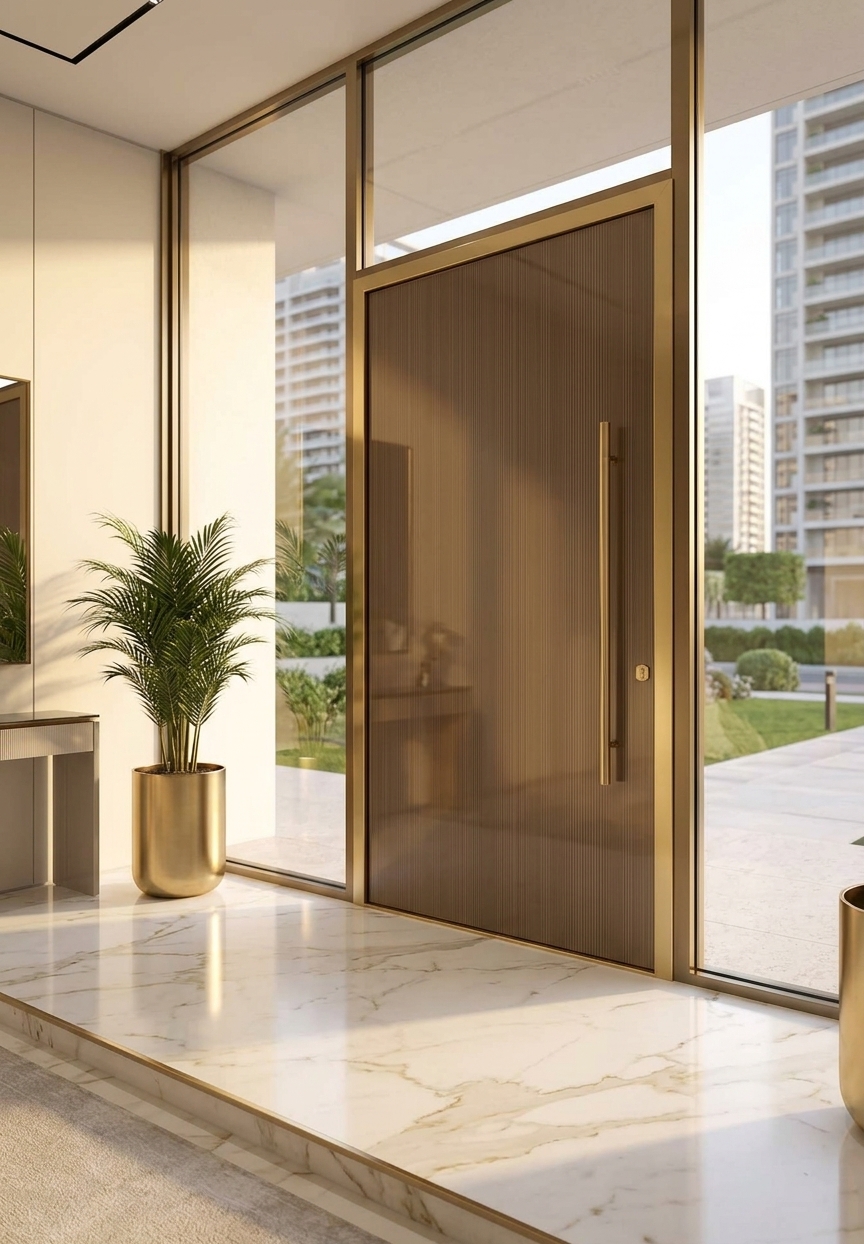

ALULUXE
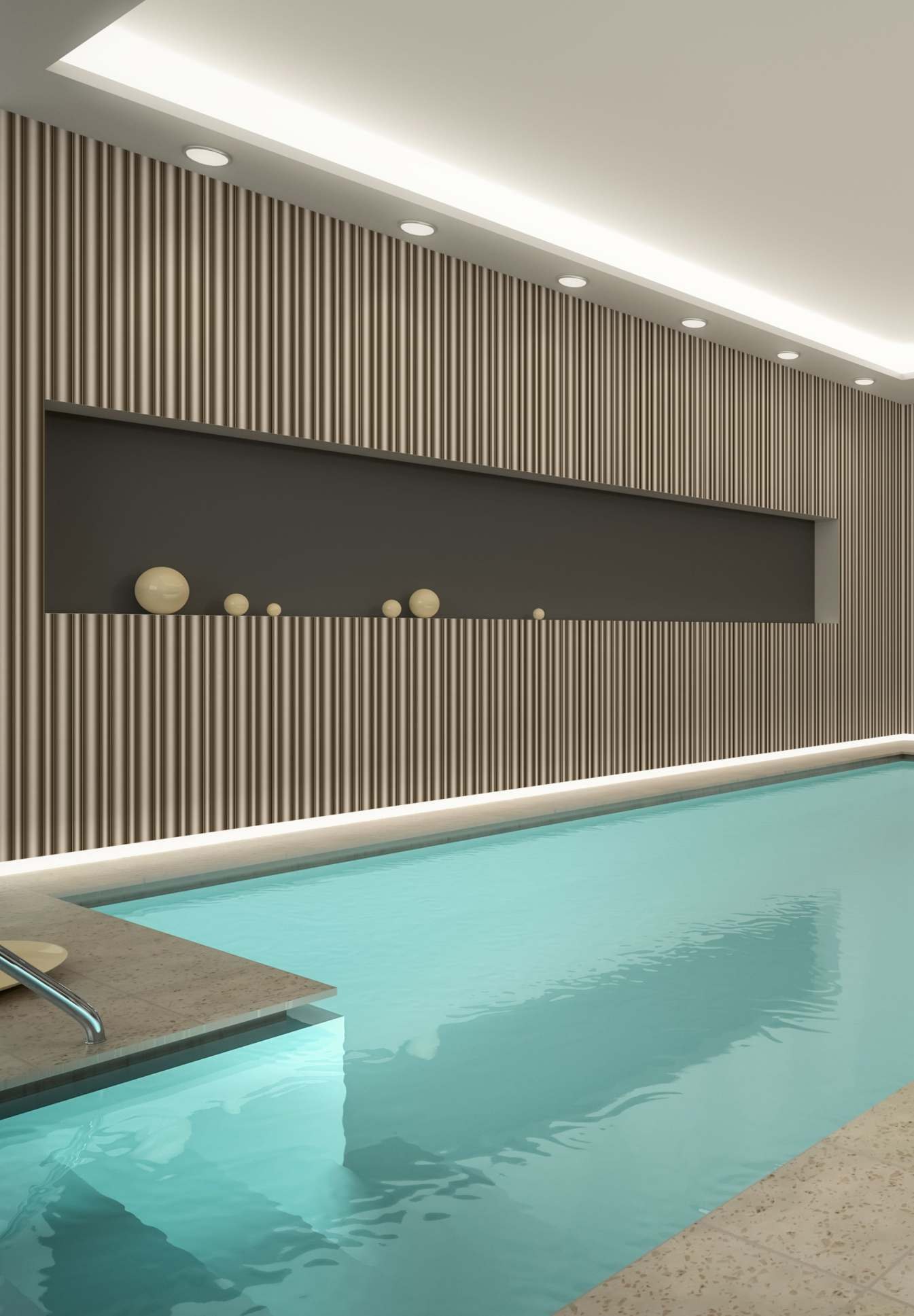
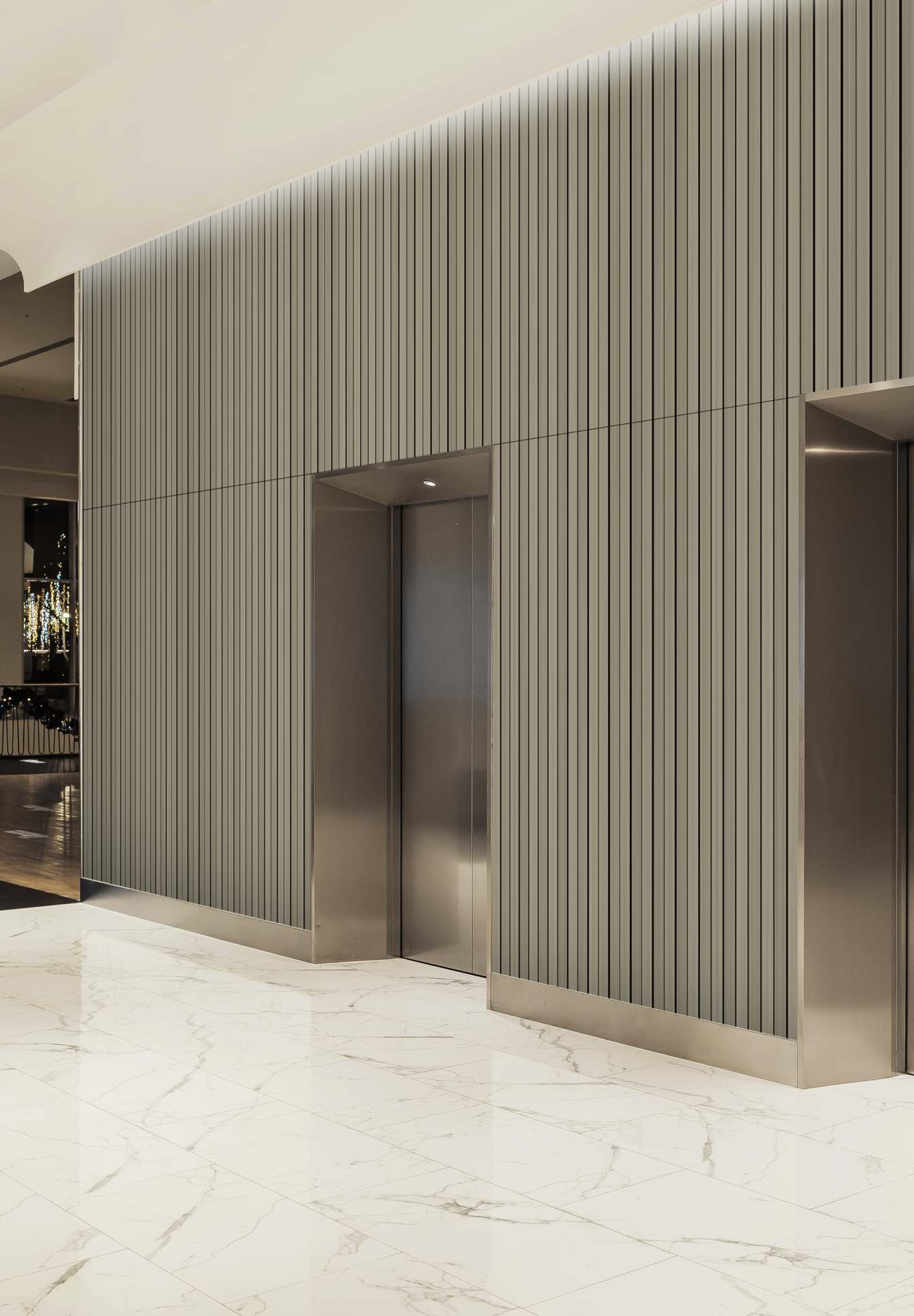
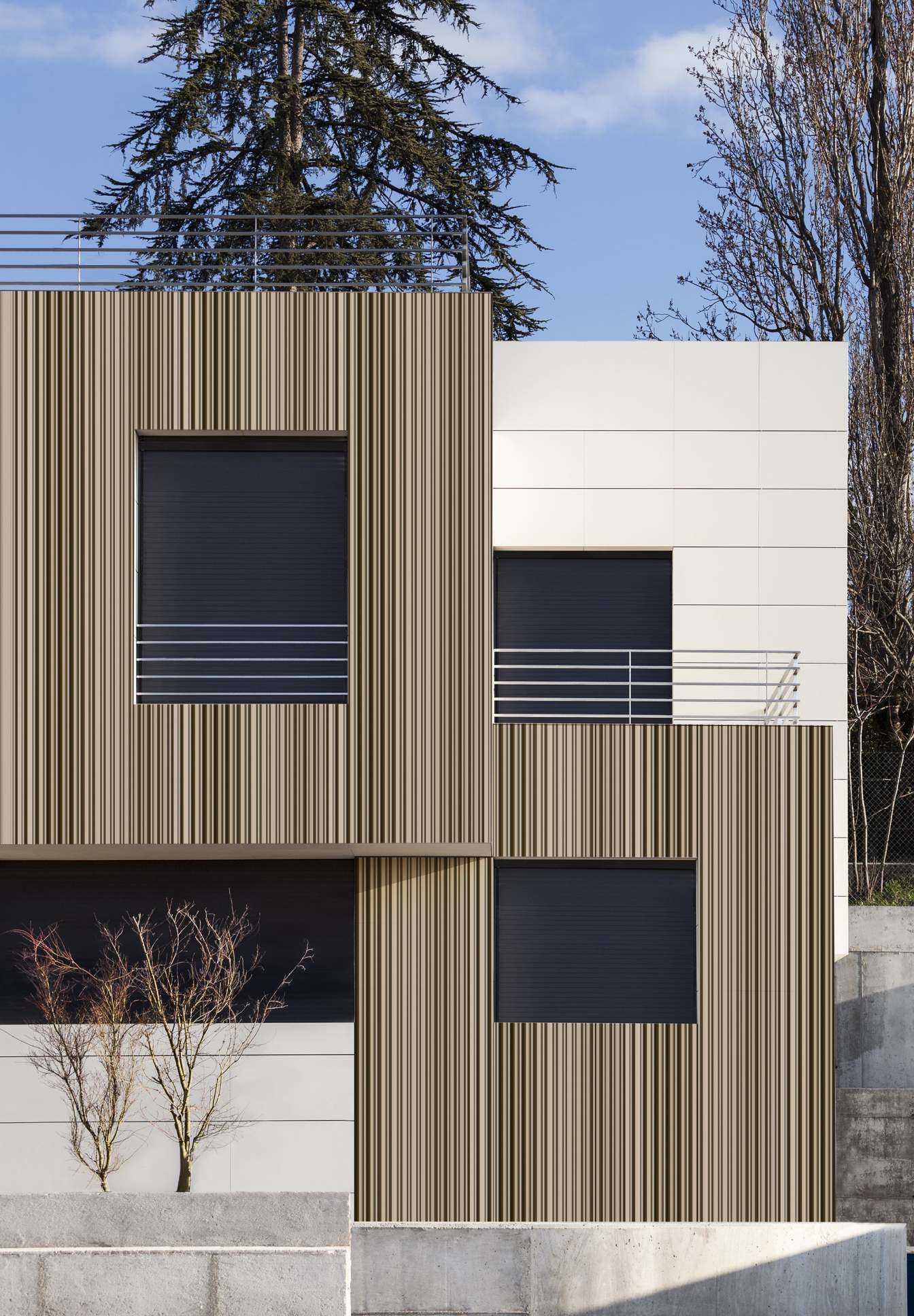
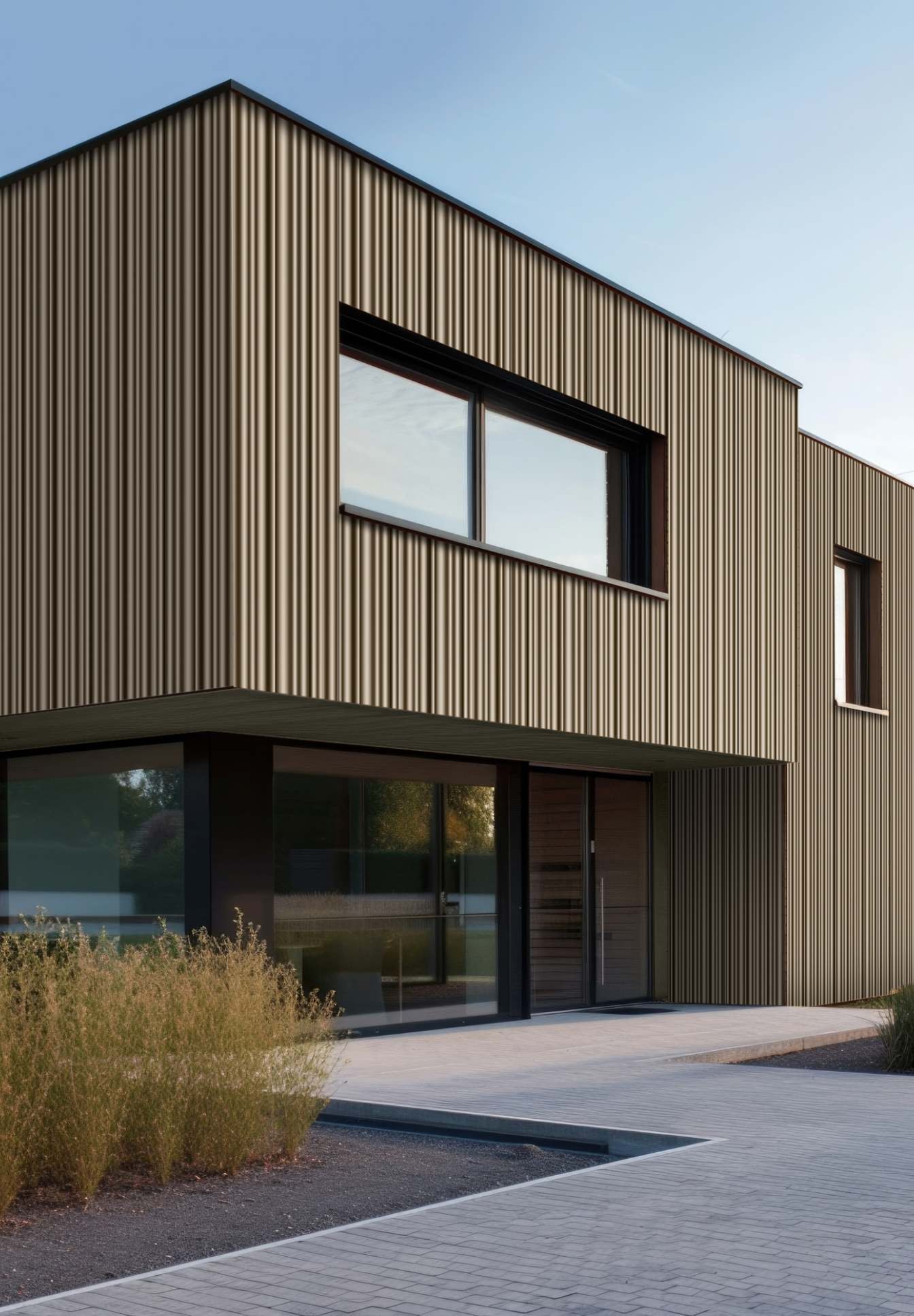
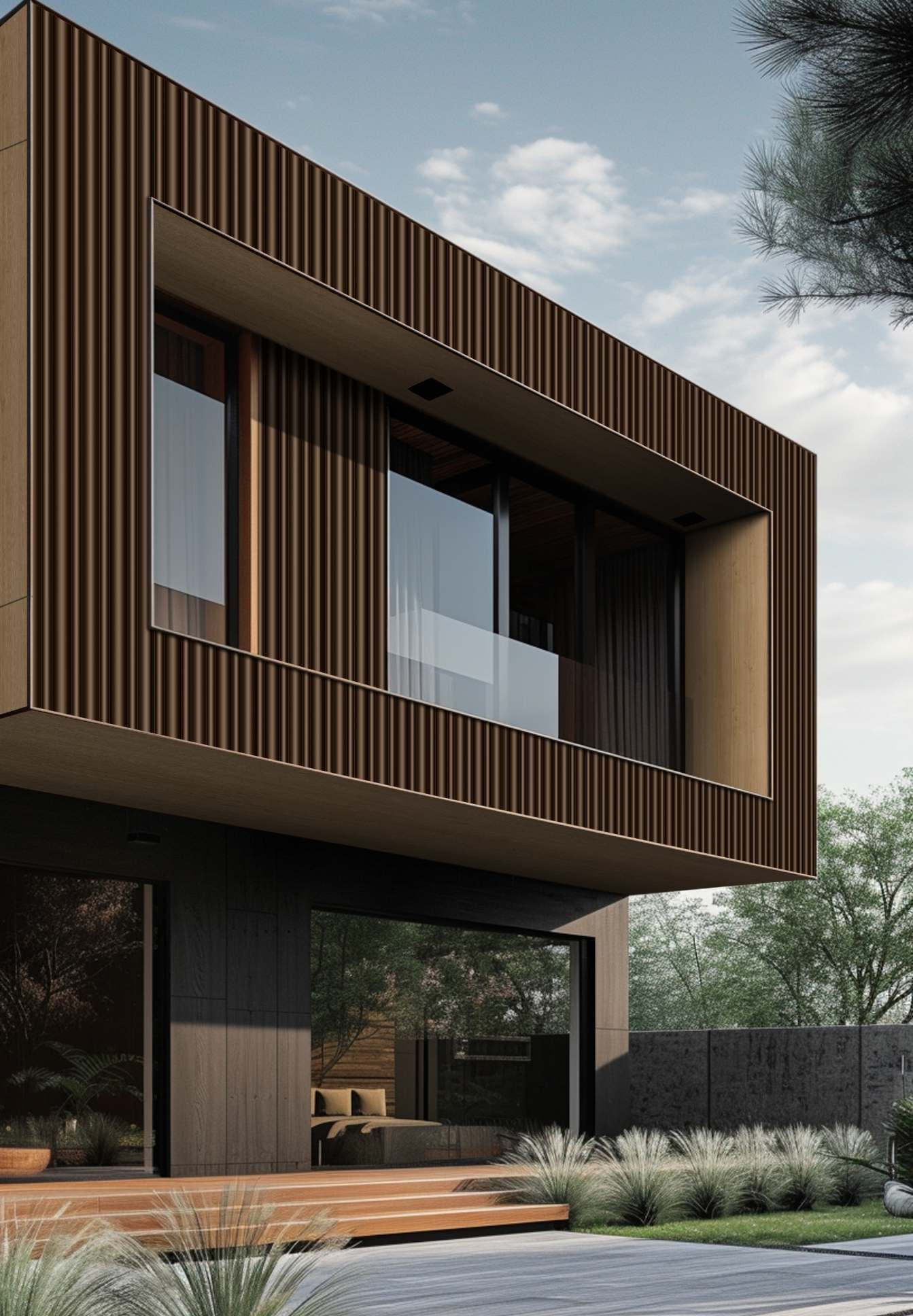
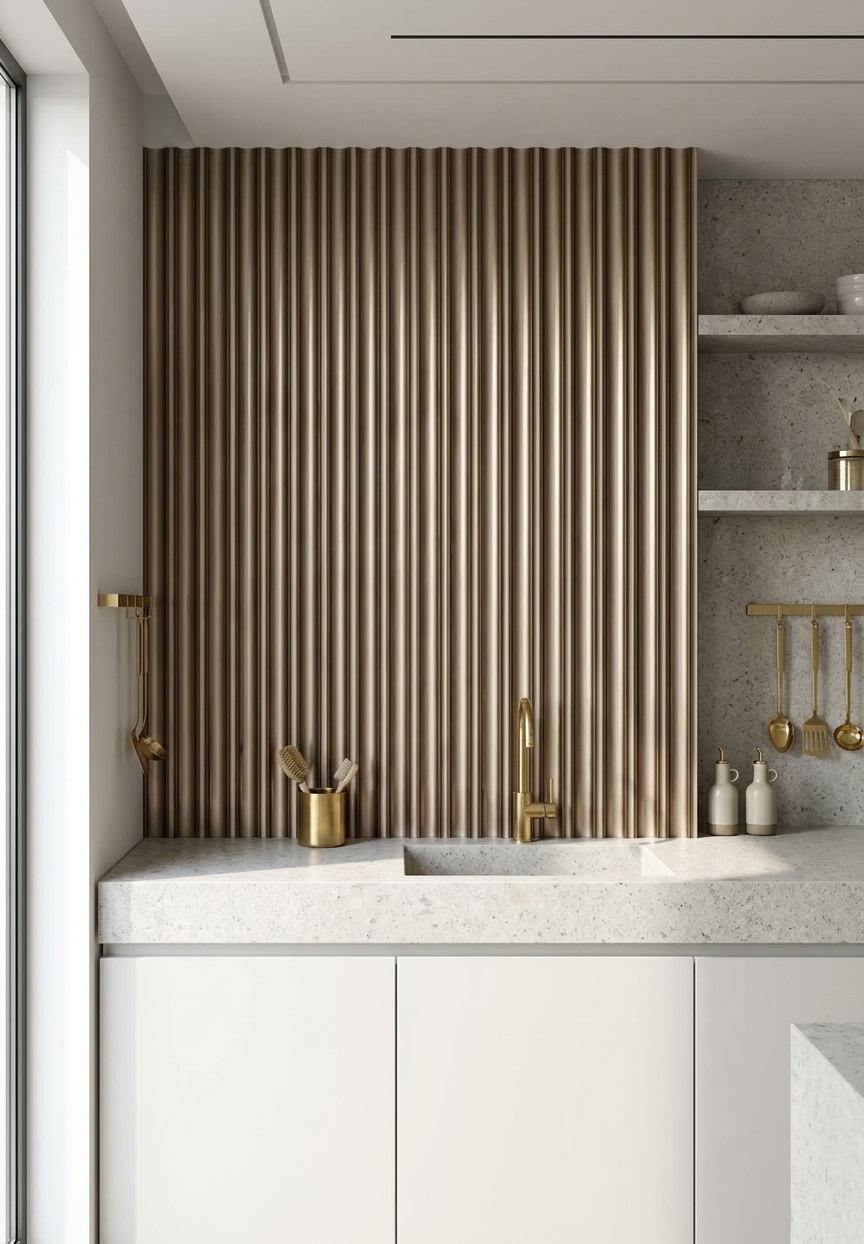
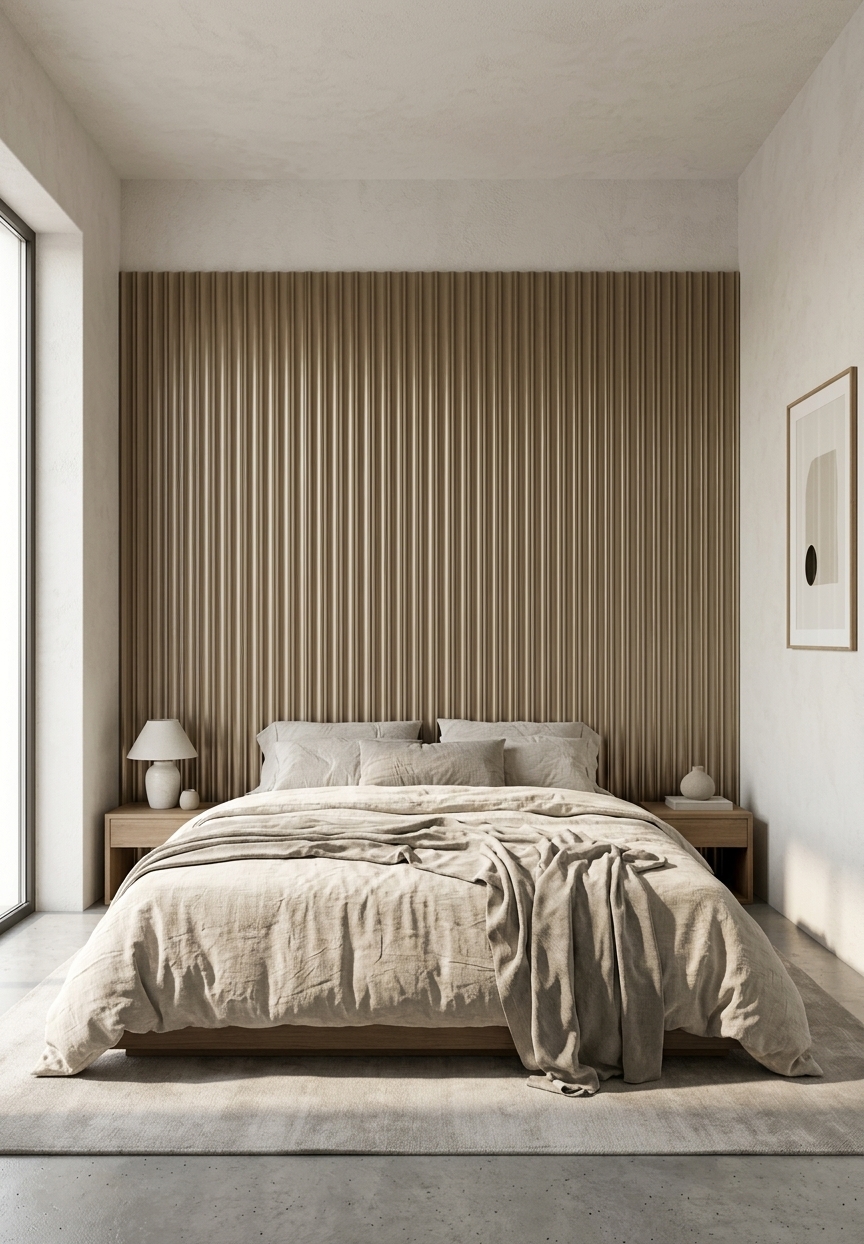
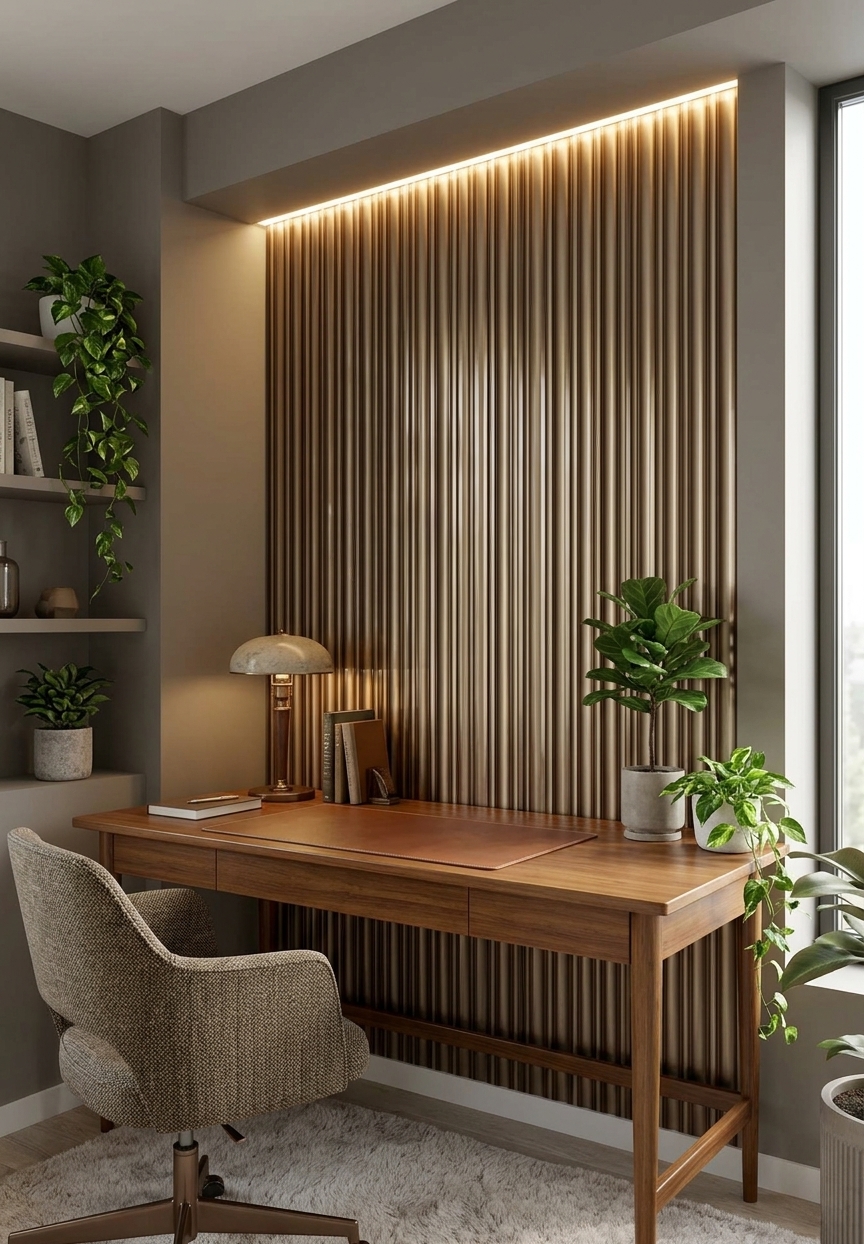
Gloirio Aluluxe is an innovative range of premium pure Aluminium panels by Gloirio, featuring exquisite parametric designs with seamless integration for a smooth, continuous appearance. Extruded from 6063-T5 grade Aluminium, with Electro Plated and Anodized finishes, Aluluxe offers unparalleled aesthetic flexibility and durability, making it a perfect choice for innovative, durable, lightweight, and visually stunning products.
The exact numbers.
Crafted to perform.
- Unveiling Metal's True Beauty
- 15 Years Warranty
- Best 100% Quality
- Durability & strength
- Scratch Resistant
- Easy to Clean
- Light Weight
- Fire Resistant
- Water Resistance
- Borer Proof
- Termite Proof
- Seamless Integration
- Parametric design
- Precise solutions for 90° inner corners
- Precise solutions for 90° outer corners
- Precise end solutions
- Innovative design
- Visually stunning
Good to know.
- Aluluxe panels are extruded from 6063-T5 grade Aluminium metal and available with Electro Plated and Anodized finishes.
- They are designed for seamless integration and offer precise solutions for various corner types.
- The panels are engineered to be lightweight yet durable, resisting scratch, fire, water, borers, and termites, with a consistent tolerance of ±0.20mm.
How it goes in.
- Aluminium panels should be cut to the required length using a circular saw.
- Apply a quality adhesive to the back of the panels, including a small amount of hot melt (glue-gun).
- Panels can be installed in either horizontal or vertical direction.
- For better fixing, screw through the tongue/interlocking space.
- Gloirio Bond Adhesive is the recommended adhesive.
Beyond the brochure.
ALULUXE AL 6063-T5 Aluminium Aluminium Panels appear to be panels made from 6063 aluminum alloy in the T5 temper, which means the alloy is extrusion-oriented, then artificially aged to develop its final properties.[3][6][7] 6063 is a magnesium-silicon aluminum alloy known for smooth surface finish, good corrosion resistance, and moderate strength; T5 indicates aging after hot forming/extrusion rather than a full solution heat treatment plus aging cycle.[2][3][7]
In practice, 6063-T5 is typically used for architectural and decorative applications where appearance matters, such as window and door frames, curtain walls, signage, displays, enclosures, furniture, and light structural or trim components.[3][4][5][6] For a “panel” product, the best fit is usually interior or protected exterior surfacing where a clean finish, dimensional stability, and corrosion resistance are more important than high structural load capacity.[4][5][6]
Key technical points are that 6063-T5 offers good corrosion resistance and a smooth, anodize-ready surface, but it is not a high-strength structural alloy compared with 6061 or higher-temper variants.[3][5][6] Published data for 6063-T5 shows tensile properties in the moderate range and density around 2.7 g/cm³, which supports lightweight panel use.[3][7] I did not find a product-specific fire rating or third-party certification for ALULUXE in the provided sources, so any fire-performance claim would need confirmation from the manufacturer’s datasheet or test report; the same applies to formal certifications such as ASTM, EN, or ISO compliance.[3][7][8]
For installation, the critical best practice is a flat, stable, dry substrate that is compatible with the adhesive system and panel movement; aluminum panels also need allowance for thermal expansion and proper edge finishing.[4][5][6] The user-mentioned adhesives such as Acrylic Glue, Heatex, and Pro-bond are not identified in the sources provided, so compatibility should be verified against the panel’s backing, surface treatment, and the adhesive manufacturer’s instructions before use. Cutting should be done with tools suitable for aluminum, using a clean blade or cutter, secure support to prevent vibration, and deburring afterward to avoid sharp edges and surface damage; because the finish is appearance-critical, masking the face during fabrication is often prudent as a general best practice inferred from the panel’s architectural use.[4][5][6]
Maintenance is straightforward: clean with a soft cloth, mild soap, and water, then dry the surface to avoid spotting; avoid abrasive pads, strong alkalis, and harsh solvents that can dull anodized or coated aluminum finishes. In damp or coastal environments, periodic inspection for sealant failure, galvanic contact with dissimilar metals, and surface scratches is important because corrosion resistance is good but not absolute.[3][6]
- https://www.azom.com/article.aspx?ArticleID=6637
- https://www.chalcoaluminum.com/product/aluminum-plate/6063-aluminum-sheet/
- https://en.wikipedia.org/wiki/6063_aluminium_alloy
- https://sinoextrud.com/what-is-6063-t5-material/
- https://www.allianceorg.com/pdfs/alumext/6063t5.pdf
- https://www.matweb.com/search/DataSheet.aspx?MatGUID=79875d1b30c94af39029470988004fb6